September 8, 2026
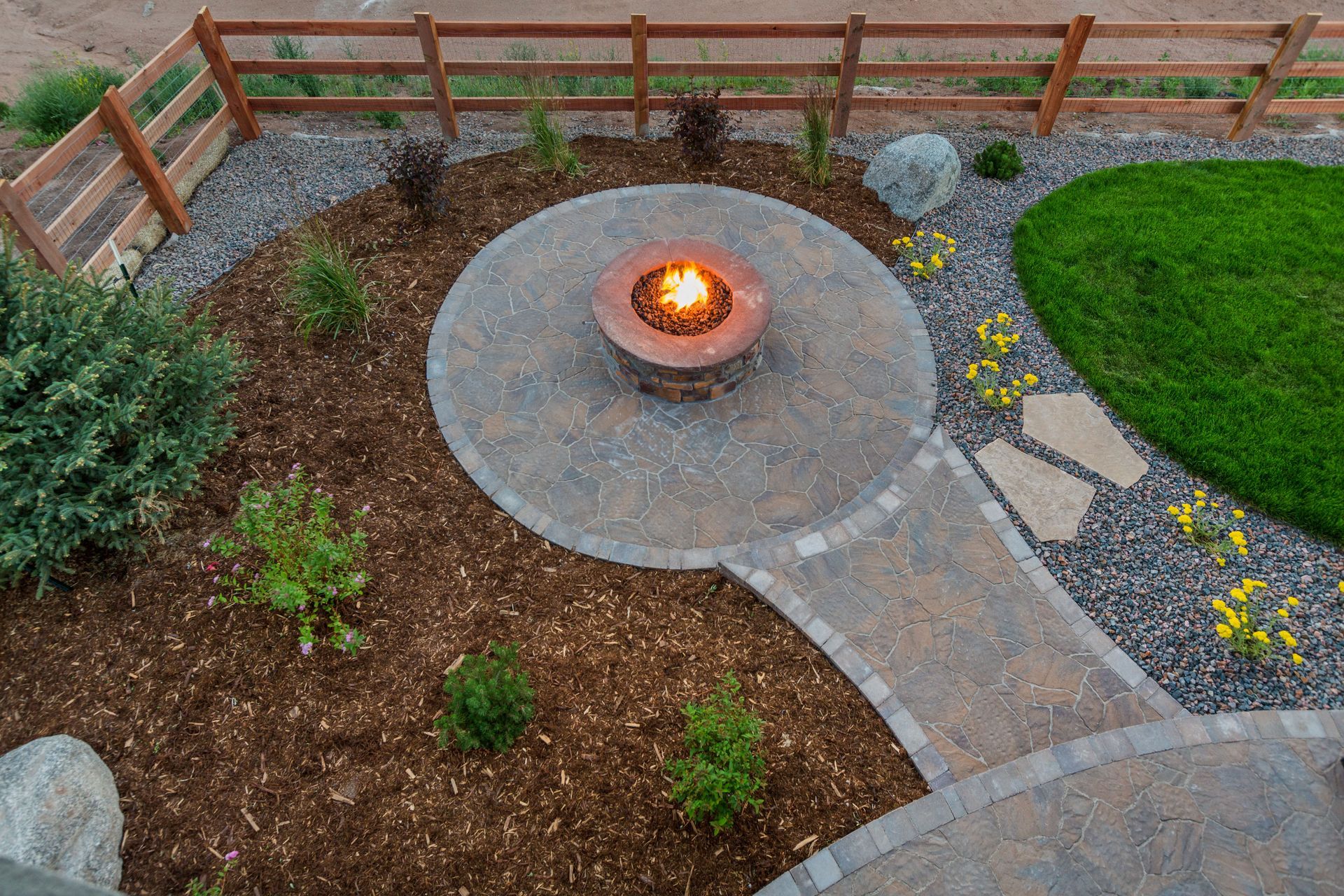
The appeal of a warm flame draws homeowners to build their own backyard gathering spots. Yet building these structures without professional knowledge introduces serious safety hazards. Amateurs fail to understand the intense heat generated by burning wood or gas in a confined space. Without proper engineering, homemade outdoor firepits become ticking time bombs in residential areas. The desire for a cozy evening can turn into a devastating disaster.
Analyzing the Threat of Structural Failure
The physical foundation of outdoor firepits demands specific materials capable of withstanding extreme temperature fluctuations. Standard bricks and concrete retaining wall blocks retain environmental moisture from rain and humidity. When exposed to high heat, the trapped water expands into steam and causes the blocks to shatter. Flying debris from exploding masonry poses a lethal threat to anyone sitting in the vicinity. The resulting shrapnel causes severe lacerations to unsuspecting guests.
Expanding on this concept, heat-resistant firebrick is a mandatory component for any flame-bearing structure. Novice builders substitute cheap alternatives to save money on construction costs. These inferior materials crumble under the stress of repeated heating and cooling cycles. A collapsing wall allows burning logs and hot coals to spill onto patios and lawns. The resulting blaze spreads at a rapid pace across dry surfaces, jeopardizing the landscape.
The binding agents used in masonry play a critical role in overall structural stability. Regular mortar turns to a brittle powder when subjected to direct flames and intense heat. Professional builders use specialized refractory cement designed to harden and strengthen under extreme conditions. Amateurs applying standard cement create a fragile shell that degrades with repeated use. The joints weaken until the entire structure collapses into a heap of rubble.
Ventilation represents another vital aspect of safe structural design. A contained fire requires consistent airflow to burn clean and hot without producing excessive smoke. Without proper intake vents, the fire smolders and forces unburned particulate matter into the air. If the builder attempts to add vents after initial construction, they compromise the load-bearing integrity of the stone walls. A compromised wall fractures under pressure during a roaring fire.
Evaluating the Hazard of Combustible Materials
The placement of outdoor firepits dictates the level of risk to surrounding structures and property lines. Homeowners desire a fire feature close to their seating areas or attached wooden decks. Placing a heat source near combustible wood siding or vinyl fencing guarantees future ignition. Radiant heat dries out adjacent materials over time, lowering their natural ignition threshold. An errant spark starts an unstoppable conflagration that consumes everything in its path.
Landscaping elements present a massive fire hazard in residential environments. According to This Old House, a fire pit should be kept at least 10 feet away from shrubbery or overhanging branches. DIY builders ignore this clearance requirement to achieve a specific aesthetic look in their gardens. Wind carries embers into adjacent foliage with ease. Dry leaves and pine needles ignite upon contact with stray sparks, transforming a peaceful garden into a towering inferno.
Ground surfaces beneath the fire feature require equal consideration and careful preparation. Constructing a fire feature on a wooden deck or dry grass is a recipe for disaster. Professional installations include deep beds of gravel or poured concrete pads to insulate the earth. Amateurs skip this vital step, allowing thermal energy to transfer into the root systems. The hidden fire smolders beneath the surface before erupting into open flames.
Furniture placement around the flames adds another layer of unseen danger. Synthetic fabrics and plastics melt and catch fire when exposed to intense radiant energy. People building their own fire features fail to calculate the safe distance for permanent seating. Guests pull their chairs close to the warmth, unaware of the invisible danger radiating from the stones. Combustible cushions transform into volatile fuel sources, trapping individuals in a ring of fire.
Understanding the Risk of Environmental Factors
Wind patterns alter the behavior of outdoor firepits with no warning or predictability. A calm evening shifts into a breezy night, changing the direction and intensity of the flames. Professional pits incorporate windbreaks and depth to shield the core fire. Shallow homemade designs leave the fuel exposed to sudden gusts and drafts. Wind whips the flames outward, endangering anyone seated on the downwind side and throwing sparks onto neighboring properties.
Rain and atmospheric moisture inflict hidden damage on amateur backyard projects. Water pooling inside a bad structure accelerates rust in metal components and degrades masonry strength. Professional designs feature weep holes and sophisticated drainage systems to keep the interior dry between uses. DIY builders lack the foresight to consider drainage during the excavation phase. Stagnant water turns into expanding steam during the next burn, increasing the risk of collapse.
Ground shifting due to freeze and thaw cycles destroys rigid structures without proper footings. In cold climates, the earth expands and contracts, cracking concrete and shifting heavy stones out of alignment. A solid foundation poured below the frost line prevents this destructive movement. Amateurs build on topsoil, guaranteeing future failure. The inevitable shifting cracks the firebox, creating escape routes for sparks and hot ash to reach dry vegetation on the ground.
Drought conditions amplify associated risks in the surrounding environment. During dry spells, the ambient moisture drops, making every surface prime fuel for a catastrophic fire. Sparks travel great distances in dry air and ignite materials with extreme speed. A bad pit lacks the necessary spark arresters and heavy steel screens to contain floating embers. The local ecosystem suffers massive devastation when a rogue spark lands in a parched field or forest.
Recognizing the Peril of Toxic Emissions
The materials burned in outdoor firepits determine the toxicity of the smoke produced. People use their backyard fires to dispose of treated wood, broken plastics, or random yard waste. Burning treated lumber releases arsenic and other deadly chemicals into the breathable air. Inhaling this toxic smoke causes severe respiratory distress and health complications for everyone in the vicinity. Proper fuel selection and strict burn discipline are critical elements for maintaining respiratory safety.
Bad drafting in homemade designs exacerbates the smoke inhalation hazard for guests. A well-engineered fire feature draws fresh air from the bottom and pushes smoke high into the atmosphere. DIY builds lack the correct internal geometry for efficient thermal drafting. The resulting smoke stays low to the ground, enveloping the seating area in a thick, choking cloud. Guests suffer from stinging eyes and damaged lungs due to the trapped particulate matter.
Carbon monoxide poisoning remains a silent threat in enclosed or sunken seating areas. While outdoor air dilutes the gas, deep pits or walled-in patios trap the invisible, odorless vapor near the ground. Complete combustion reduces carbon monoxide output to safe levels. Amateurs struggle to achieve the perfect balance of fuel and oxygen required for complete combustion. Smoldering, oxygen-starved fires produce massive quantities of this lethal gas, endangering everyone near the fire.
The breakdown of improper building materials adds to the ambient toxic load. Galvanized steel, utilized by novices for cheap fire rings, releases poisonous zinc fumes when heated. Breathing zinc fumes leads to metal fume fever, a medical condition characterized by chills, fever, and severe body aches. Using salvaged metals or unknown river rocks introduces unpredictable chemical reactions into the air. The resulting fumes pose unseen dangers to human health and respiratory function.
The appeal of creating a personal backyard retreat blinds individuals to the inherent dangers of fire construction. Building outdoor firepits requires a strict adherence to safety codes, material science, and thermodynamic principles. The compounding risks of structural explosion, uncontrollable brush fires, and toxic smoke inhalation far outweigh the perceived cost savings of a do-it-yourself project. If you want to avoid these hidden hazards, let us at Chimney and Stone handle the heavy lifting. We design and build professional outdoor firepits that keep your home safe and your evenings worry-free.